Iconic spots in San Cristóbal de La Laguna
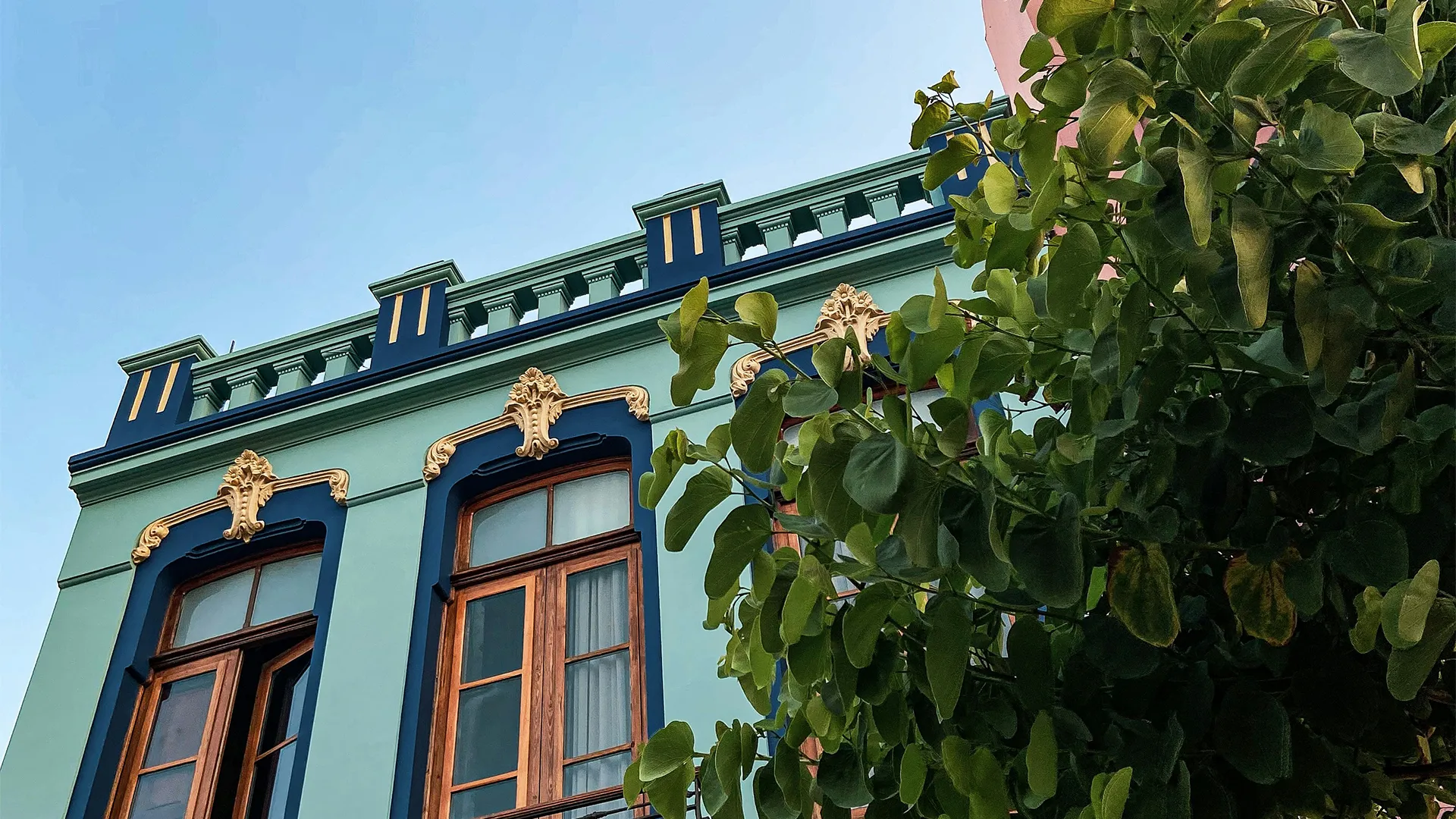
San Cristóbal de La Laguna is a city best explored on foot. Its cobbled streets, shaded squares and inner courtyards reflect its history and everyday life. Declared a UNESCO World Heritage Site in 1999, it preserves the urban layout designed in the late 15th century, which served as a model for cities in the Americas.
This 90-minute walking tour takes in eight iconic sites: squares, palaces, churches and corners steeped in history and university life.
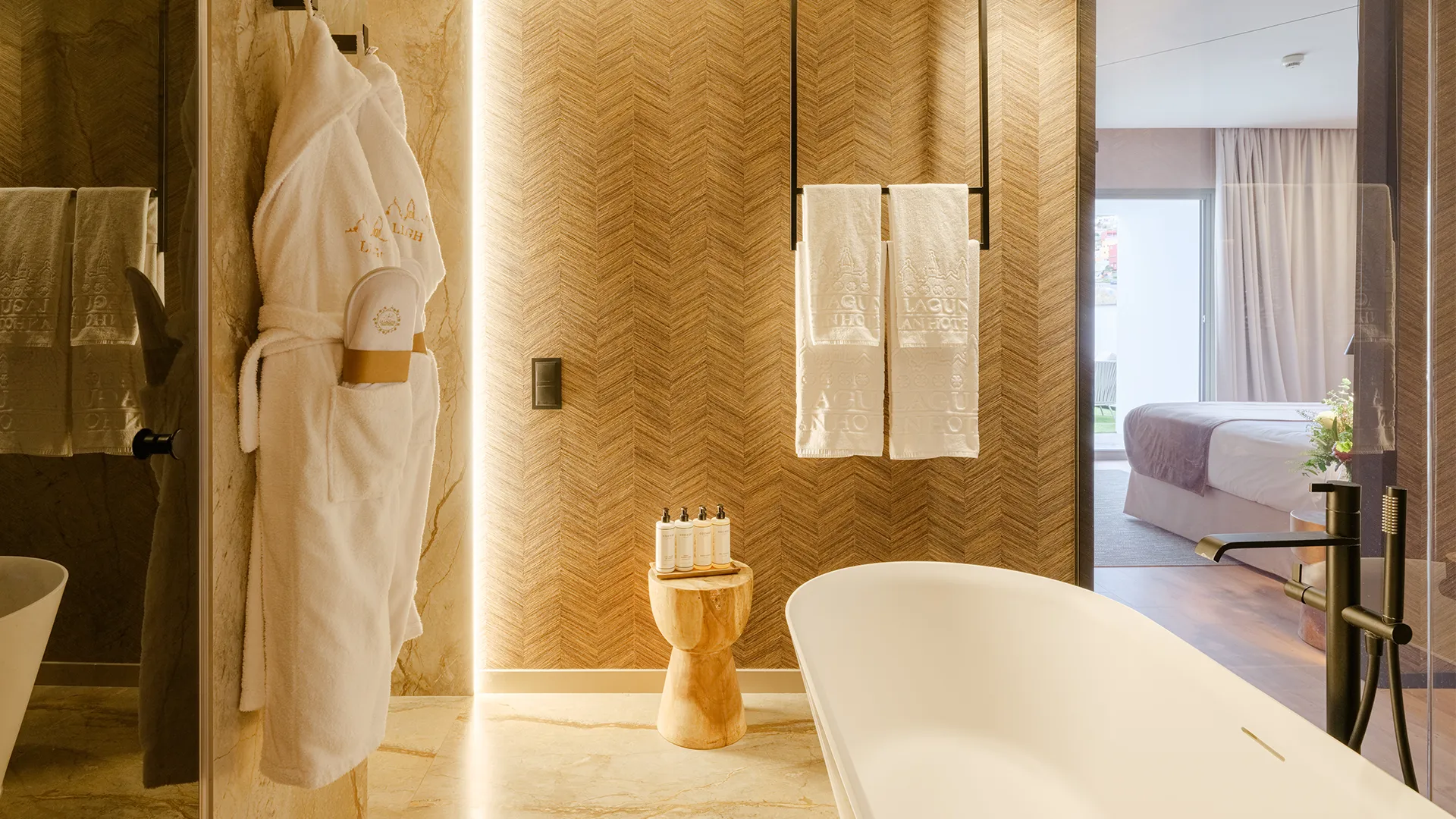
If you’re staying at the La Laguna Gran Hotel, you’ll be just a few minutes from the historic centre – ideal for exploring at a leisurely pace before returning to rest or enjoy the local cuisine.
Plaza del Adelantado: the heart of the city
This open space, created in the 16th century, was La Laguna’s first major public square and remains the epicentre of the city’s social and cultural life. Named in honour of Alonso Fernández de Lugo, the city’s founder and a key figure in the conquest of Tenerife for the Crown of Castile, the square has been the setting for markets, official events and historic celebrations. A highlight is its Carrara marble fountain, sculpted in Marseille in the 19th century, which lends a classic and elegant air and is one of the oldest features to be seen in the area.
Surrounded by stately façades, arches and iconic buildings such as the Convent of Santa Catalina de Siena, the square is the ideal starting point for exploring the historic centre, a UNESCO World Heritage Site.
Palacio de Nava: history carved in volcanic stone
On one corner of the square, the Palacio de Nava impresses with its façade of tezacón, a dark volcanic stone typical of Tenerife. Built from 1585 onwards and renovated up until the 18th century, this palace combines Baroque, Neoclassical and Mannerist styles, reflecting the architectural evolution of the period. It was the residence of the influential Nava y Grimón family, linked to the nobility and economic power of the archipelago. Today, the building is a symbol of La Laguna’s historical splendour and a testament to the architectural legacy that characterises the islands.
House of the Captains-General: Canarian architecture and tradition
Located near the Palacio de Nava, this 17th-century house is notable for its Canarian courtyard with wooden galleries and volcanic stone columns, a fine example of the traditional domestic architecture of La Laguna. It served as the residence of the captains-general who defended the islands, figures of great importance in the administration and defence of the islands during the colonial era. It currently houses the Tourist Office, a strategic hub for travellers wishing to gather information and plan their visit in detail.
Cayetano Gómez Felipe House Museum: history and collections
This traditional 18th-century house, converted into a museum, displays a unique collection reflecting the Canary Islands’ trade links with Asia and the Americas over the centuries. Its courtyards and rooms preserve the atmosphere of La Laguna’s bourgeoisie, offering an intimate glimpse into the past. The collection includes over 60,000 antiques that illustrate the history, culture and art of the archipelago, making the visit an educational and enriching experience for those wishing to delve deeper into the archipelago’s historical legacy.
Calle La Carrera and the Teatro Leal: the heartbeat of the city
Calle Obispo Rey Redondo, popularly known as La Carrera, is the liveliest pedestrian thoroughfare in the historic centre. Its colourful façades, cafés, shops and businesses create a vibrant atmosphere that reflects the city’s university and cultural life. A highlight is the Teatro Leal, opened in 1915, with an eclectic façade blending Modernist and Neoclassical styles, and an interior rich in artistic and decorative details. This theatre is a cultural landmark in Tenerife, hosting events, plays and concerts that attract both locals and visitors interested in culture.
La Laguna Cathedral: Neoclassical and Neo-Gothic
The Cathedral of Nuestra Señora de los Remedios, with its white façade and dome visible from afar, is one of the city’s great landmarks. Built on the site of a former 16th-century parish church, it was elevated to cathedral status in 1818, when the Diocese of Tenerife was established, separating from that of the Canary Islands. Its neo-Gothic interior impresses with its high vaults, stained-glass windows that fill the space with light, and a high altarpiece of great artistic value. The cathedral is an essential place of interest for anyone visiting La Laguna, standing as a testament to ecclesiastical power and religious history.
Episcopal Palace (Casa Salazar): ecclesiastical power
Located near the cathedral, this 17th-century Baroque palace reflects the religious influence on the city and the importance of La Laguna as an episcopal see. Its volcanic stone façade, coats of arms and gargoyles immediately catch the eye. Following a fire in 2006, it was carefully restored to preserve its historical and architectural value. Today it remains the seat of the bishopric and a key landmark for understanding the religious and social history of the Canary Islands.
Church of La Concepción: the tower that dominates the city
The oldest parish church in La Laguna, founded in the early 16th century, is recognised for its imposing 28-metre tower, which houses the largest bell in the Canary Islands, an acoustic and visual symbol of the city. Inside, it preserves historical features such as a 16th-century baptismal font and Baroque altarpieces that reflect the devotion and religious art of the period. Climbing the tower offers panoramic views of the historic centre, the natural surroundings of the Anaga Rural Park and, on clear days, the Atlantic Ocean. This church is a must-see for anyone wishing to experience an architectural and spiritual gem of the archipelago.

Tips for enjoying La Laguna
The best way to explore San Cristóbal de La Laguna is on foot, making the most of the fact that much of the old town is pedestrianised. Wear comfortable shoes and bring something warm to wear, as the area is typically cool and damp. The soft light of the morning or evening enhances the beauty of its façades and courtyards.
If you’re looking for somewhere to stay in the heart of La Laguna, La Laguna Gran Hotel is an ideal choice. From here, you can start and finish your route within a few minutes, enjoying the comfort and charm of a hotel with history and modern amenities.
San Cristóbal de La Laguna is a destination that invites you to lose yourself at a leisurely pace, discovering the richness of its heritage and the warmth of its people in every corner. This guide will help you explore its iconic sites on an accessible and meaningful tour.